
3 Tips to Improve Mental Health Billing Collections
Mental health billing is as complex as the science of behavioral health itself. In general

Mental health billing is as complex as the science of behavioral health itself. In general

Issues like denials, unpaid claims, and rejections significantly hamper a medical billing’s company performance, but

Higher costs and lower reimbursement rates lead to a healthcare practice experiencing revenue loss. However,

Does your medical practice offer remote patient monitoring? In 2020 Accenture conducted a study of

Are you up-to-speed on the most influential trends in the future of revenue cycle management

In the medical field, RCM, or revenue cycle management, is crucial to the success of
What are the most significant revenue cycle management challenges in your medical practice? Healthcare revenue
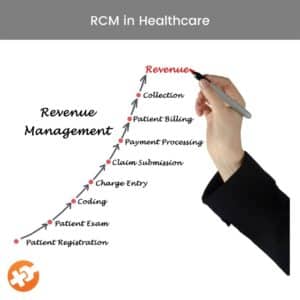
Revenue cycle management is the mainstay of financial sustainability for a medical enterprise. The healthcare

Subscribe for actionable tips and insights to grow your medical practice >
Proper revenue cycle management (RCM) is crucial for the financial health and success of healthcare providers. It encompasses the entire process of managing patient interactions, billing, and reimbursement to ensure timely and accurate payments.
By optimizing RCM, healthcare organizations can improve cash flow, reduce denials and write-offs, and enhance overall financial performance. Effective RCM strategies can also help practices focus more on patient care rather than administrative tasks.
Medical billing errors can lead to delayed or denied payments, negatively impacting a practice's revenue. Implementing strategies to minimize these errors is essential for maintaining a healthy financial standing.
Some key strategies include thorough staff training, regular audits, the use of advanced billing software, and clear communication with payers. By proactively addressing potential issues, healthcare providers can improve the accuracy and efficiency of their medical billing processes.
Data analytics plays a crucial role in optimizing revenue cycle management. By collecting and analyzing relevant data, healthcare organizations can identify trends, spot potential problem areas, and make informed decisions to enhance their RCM processes.
Leveraging data analytics can help practices better understand their payer mix, track key performance indicators, and identify opportunities for improvement. This data-driven approach can lead to increased revenue, reduced costs, and improved overall financial performance.
Many healthcare providers choose to outsource their revenue cycle management to specialized service providers. This can offer several advantages, including access to expert resources, advanced technology, and improved efficiency.
When evaluating outsourcing options, it's important to consider factors such as the provider's experience, technology capabilities, and alignment with the practice's specific needs. Careful selection and ongoing collaboration with the RCM service provider can help ensure optimal results and a seamless integration with the practice's operations.
