****
Leveraging Patient Portals for Enhanced Engagement
Patient portals offer a powerful tool to improve patient engagement and streamline communication within healthcare practices. By providing patients with secure access to their medical information, appointment scheduling, and communication channels, these digital platforms can enhance the overall patient experience.
Integrating a user-friendly patient portal can help healthcare providers foster stronger relationships with their patients, leading to improved adherence, better health outcomes, and increased patient satisfaction.
Streamlining Billing and Collections through RCM Optimization
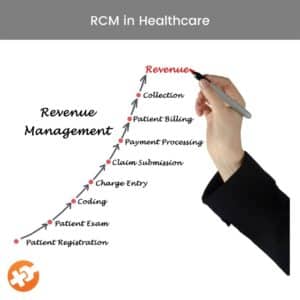
Effective revenue cycle management (RCM) is crucial for the financial health of medical practices. By focusing on key RCM processes, such as accurate coding, timely claims submission, and efficient collections, healthcare providers can improve their cash flow and reduce the administrative burden associated with billing and reimbursement.
Implementing RCM best practices, leveraging technology solutions, and fostering a culture of continuous improvement can help healthcare organizations streamline their operations, minimize errors, and enhance overall financial performance.
Improving Operational Efficiency in Healthcare
In the rapidly evolving healthcare landscape, operational efficiency is paramount for medical practices to thrive. By optimizing workflows, automating repetitive tasks, and leveraging data-driven insights, healthcare organizations can enhance their productivity, reduce costs, and dedicate more time to patient care.
Embracing technology, implementing lean management principles, and fostering a culture of continuous improvement can help healthcare providers improve their operational efficiency, ultimately leading to better patient outcomes and a stronger financial position.
Regulatory Compliance and the Impact on RCM
Navigating the complex regulatory landscape in healthcare is a crucial aspect of revenue cycle management. Staying up-to-date with the latest compliance requirements, such as coding standards, billing practices, and patient privacy regulations, is essential for healthcare providers to ensure accurate reimbursement and avoid costly penalties.
By proactively addressing compliance challenges, investing in training and education, and leveraging technology solutions, healthcare organizations can streamline their RCM processes, minimize the risk of non-compliance, and maintain a strong financial foundation.
****