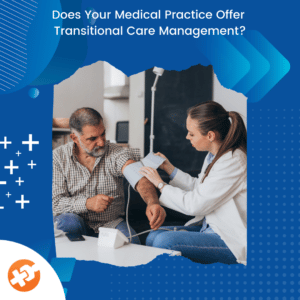
Medication Management: Optimizing Patient Outcomes
Effective medication management is crucial for healthcare providers to ensure patient safety, improve health outcomes, and streamline their operations. This section will explore the key aspects of medication management services and how they can benefit both healthcare organizations and their patients.
By implementing robust medication management practices, healthcare providers can reduce medication errors, enhance patient adherence, and optimize the use of pharmaceutical resources. This approach can lead to improved clinical outcomes, better patient satisfaction, and increased operational efficiency.
Enhancing Medication Adherence and Patient Engagement
Improving medication adherence is a critical component of effective medication management. By fostering patient engagement and providing tailored support, healthcare providers can help patients better understand their medication regimens and actively participate in their treatment.
This can involve providing patient education materials, implementing medication reminders, and collaborating with patients to address any barriers to adherence. By empowering patients and promoting shared decision-making, healthcare providers can enhance medication adherence and improve overall health outcomes.
Leveraging Data and Analytics for Medication Optimization
Data-driven insights are essential for optimizing medication management. By analyzing patient data, medication usage patterns, and clinical outcomes, healthcare providers can identify opportunities to improve prescribing practices, reduce medication errors, and optimize the utilization of pharmaceutical resources.
Advanced analytics and predictive modeling can help healthcare organizations anticipate potential medication-related issues, proactively intervene, and make data-informed decisions that enhance patient safety and care quality. This approach can lead to cost savings, improved resource allocation, and better patient experiences.
Integrating Medication Management into Comprehensive Care Delivery
Effective medication management should be seamlessly integrated into the overall care delivery process. By aligning medication management strategies with the broader clinical and operational goals of the healthcare organization, providers can ensure a holistic and patient-centric approach to care.
This may involve incorporating medication management into care coordination, chronic disease management, and population health initiatives. By taking a comprehensive and collaborative approach, healthcare providers can leverage medication management to drive improved clinical outcomes, enhance patient experience, and optimize the efficiency of their operations.