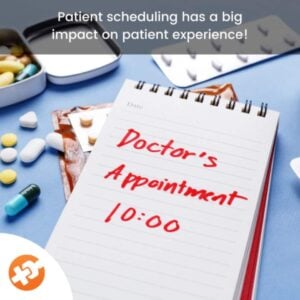
Optimizing Patient Engagement Strategies
Effective patient engagement is crucial for improving healthcare outcomes and enhancing the overall patient experience. By focusing on strategies that foster active patient involvement, healthcare providers can build stronger relationships, increase treatment adherence, and drive better clinical results.
This section explores proven techniques and best practices to help healthcare organizations elevate their patient engagement initiatives, from leveraging digital tools to implementing personalized communication approaches.
Leveraging Telehealth and Remote Patient Monitoring
The COVID-19 pandemic has accelerated the adoption of telehealth and remote patient monitoring (RPM) technologies, enabling healthcare providers to deliver care more conveniently and safely. By incorporating these digital solutions, organizations can improve patient access, enhance chronic disease management, and foster ongoing engagement between in-person visits.
As the public health emergency extends into 2023, it is crucial for healthcare providers to strategically integrate telehealth and RPM into their patient engagement initiatives to meet evolving patient needs and expectations.
Enhancing the Patient Financial Experience
Patients today expect a seamless, transparent financial experience when seeking healthcare services. By streamlining the billing and collections process, healthcare organizations can reduce administrative burdens, improve patient satisfaction, and ultimately, increase revenue collection.
Strategies such as offering flexible payment options, providing upfront cost estimates, and leveraging advanced revenue cycle management tools can help healthcare providers deliver a more positive financial experience for their patients.
Leveraging Data-Driven Insights
Data and analytics play a vital role in developing effective patient engagement strategies. By analyzing patient demographics, preferences, and behavior patterns, healthcare organizations can personalize their communication, tailor their services, and proactively address patient needs.
Embracing a data-driven approach to patient engagement allows healthcare providers to make informed decisions, optimize their processes, and continuously improve the patient experience.