




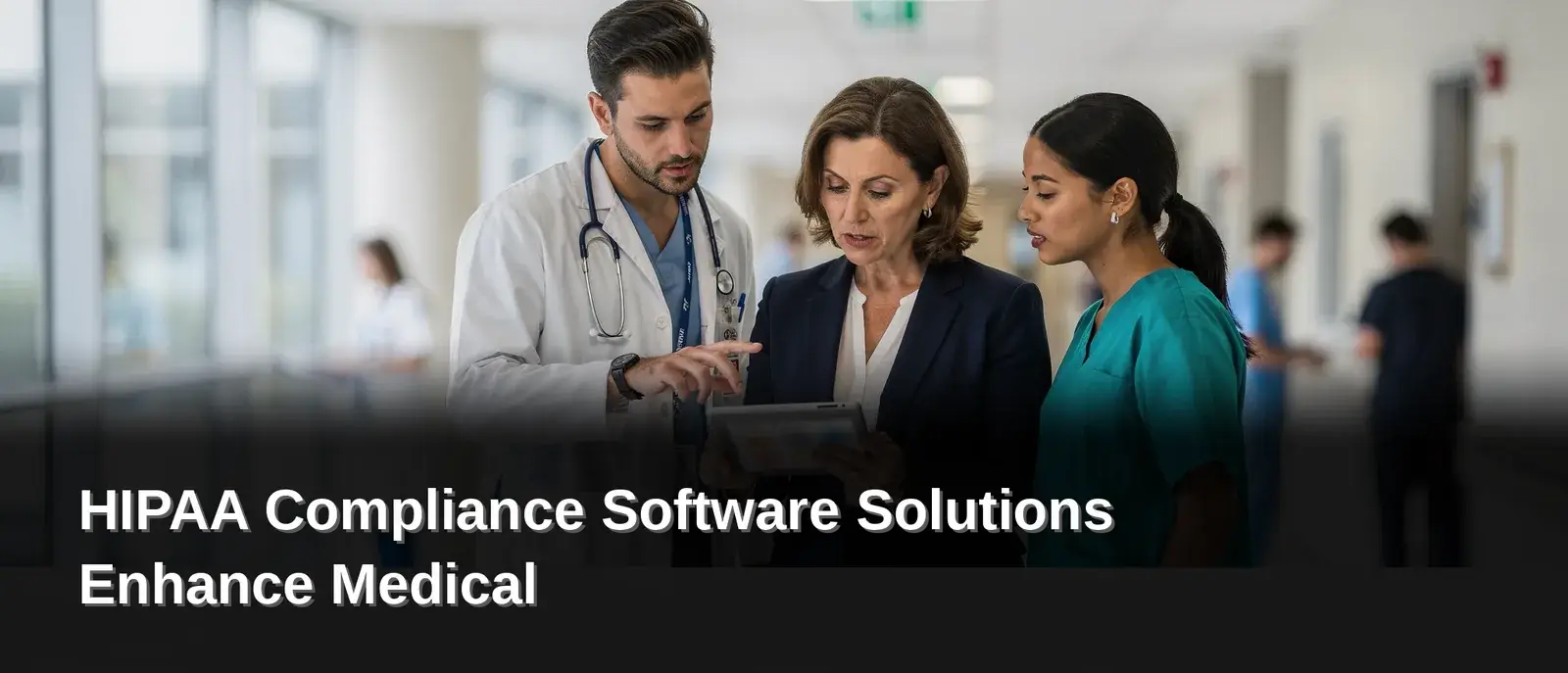
Encryption protocols, audit trails, and access controls within HIPAA compliance software safeguard patient data while supporting PracticeForces’ certified coding teams, who maintain 98%+ accuracy and secure U.S./India workflows, ensuring regulatory adherence, reduced breach risk, and protected reimbursement cycles for medical practices nationwide.
HIPAA compliance software strengthens medical practice security by encrypting patient records, controlling access, and logging every PHI interaction for audit readiness. Practices reduce exposure to costly breaches while automating safeguards that manual processes miss.
Key Takeaways
HIPAA compliance software automates risk assessments and audit readiness, reducing manual compliance burden on practice staff.
Phishing-related breaches can lead to significant settlement costs; robust compliance software helps prevent unauthorized PHI access.
Encrypted workflows and access controls protect patient data across your existing EHR/PM systems without proprietary software requirements.
Compliance-ready documentation and audit trails demonstrate accountability to regulators, supporting your practice’s long-term operational security.
Why Does HIPAA Compliance Software Matter Now?
Data breaches at medical practices have moved from rare headline events to a steady, documented pattern. HHS recorded a steady rise in major healthcare data breaches, per a Best Development Practices for HIPAA Providers report. That volume signals real exposure for practices still relying on outdated safeguards.
Scale offers no immunity either. A large genetic testing provider recently faced a HIPAA settlement of nearly one million dollars tied to a phishing attack, reported by Top HIPAA Compliant Solutions Your Medical Practice Can. Even well-resourced organizations stumble when security systems lag behind the threats.
Can Compliant Staff Behavior Alone Protect Patient Data?
No. Weak digital systems undermine compliant behavior even when staff follow every rule correctly. Technology gaps create openings for breaches regardless of how careful a team tries to be.
This is where HIPAA Compliance Software Solutions enter the picture, closing gaps that manual processes and staff diligence cannot cover alone. Practice managers evaluating vendors should weigh:
Breach exposure trends across the industry
Settlement risk tied to security lapses
Gaps between policy and actual system safeguards
PracticeForces treats staying compliant with evolving regulations as part of its core commitment to healthcare providers, alongside streamlining billing operations and improving cash flow.
What Should HIPAA Compliance Software Actually Do?
Effective HIPAA compliance software solutions streamline the process of meeting federal healthcare privacy. Security standards, easing the load on practice managers and compliance officers alike. Good systems handle three jobs at once. They automate administrative tasks, enforce safeguards like encryption and access controls, and monitor for security gaps wherever protected health information moves through a practice.
Practices often assume more software means more protection. That’s not always true, and stacking disconnected tools can create new gaps instead of closing them.
Does a Practice Need Separate Billing and Compliance Systems?
Not necessarily. PracticeForces does not bundle proprietary software onto a practice’s existing setup. The team works within the systems already in place. Recommends upgrades only when they strengthen security or streamline workflow, avoiding duplicate platforms that create separate risk points.
How Does Billing Accuracy Affect Compliance Risk?
Fewer resubmissions mean less PHI changing hands. PracticeForces reports coding accuracy above 98% and first-pass rejection rates under 5%, which helps minimize the handling of sensitive claims data. Reworked claims travel through more systems and more staff, each pass adding exposure.
Consider what a well-built compliance approach delivers:
Administrative automation that reduces manual PHI handling
Encryption and access controls enforced by default
Ongoing monitoring for security gaps
Minimal added software layered onto existing infrastructure
Consistent data handling as staffing scales, supported by a certified U.S. and India-based back-office structure

How Can PracticeForces Strengthen Your Compliance Posture?
PracticeForces builds compliance strength through partnerships with recognized professional bodies and steady attention to regulatory updates. Practice managers gain a partner that tracks changing rules instead of reacting to them after a violation occurs. Regulatory drift catches practices off guard; falling behind means audit exposure and lost revenue nobody budgeted for.
What services support compliance visibility?
Denial management and detailed financial reporting give administrators a clear window into how claim data and protected health information move through the revenue cycle. Every denied claim, every resubmission, every payment record becomes traceable rather than buried in disconnected systems.
Complementary offerings extend that protection further. HIPAA Compliance Software Solutions paired with credentialing services, EHR/PM installation, IT support, and MIPS reporting assistance align technology and documentation with what regulators expect.
Credentialing services that keep provider records accurate and current
EHR/PM installation and IT support built around existing infrastructure
MIPS reporting assistance tied to compliance deadlines
Does location and structure matter for support?
Yes. As a women-owned business based in the Tampa Bay area, PracticeForces offers responsive, local engagement while serving practices nationwide. Physicians get a team that answers quickly, not a call center routing requests across time zones.
Transparent, volume-based pricing and specialty-aligned teams round out the approach. Compliance officers and practice managers get a long-term partner measured by financial outcomes, not just paperwork completed.
FAQ
Does HIPAA compliance software replace staff training?
No. Weak digital systems undermine compliant behavior even when staff follow every rule correctly. Compliance software closes technology gaps that manual diligence alone cannot cover.
What core functions does effective HIPAA compliance software perform?
Effective software automates administrative tasks, enforces safeguards like encryption and access controls, and monitors for security gaps wherever protected health information moves through a practice.
Does adding compliance software require replacing a practice's existing systems?
No. PracticeForces works within a practice’s existing EHR/PM infrastructure. Recommends upgrades only when they strengthen security, avoiding duplicate platforms that create separate risk points.
Conclusion
In closing, HIPAA compliance software fortifies medical practice security by embedding regulatory safeguards directly into billing workflows, protecting patient data while streamlining operations. When paired with expert revenue cycle management, including certified coding, denial oversight, and detailed financial reporting, practices gain both security and measurable financial outcomes. By choosing a partner that prioritizes compliance alongside cash flow improvement, healthcare providers strengthen their defenses against breaches and administrative burden, ultimately delivering the patient-centric care their communities deserve. Call PracticeForces today to see how a dedicated compliance and billing partner can protect your practice.